Events and Projects Listing
The izeltlabuak.hu website primarily focuses on arthropods found in Hungary. This entry also deals with Hungarian fauna.
Listing of events and projects found on event and project pages:
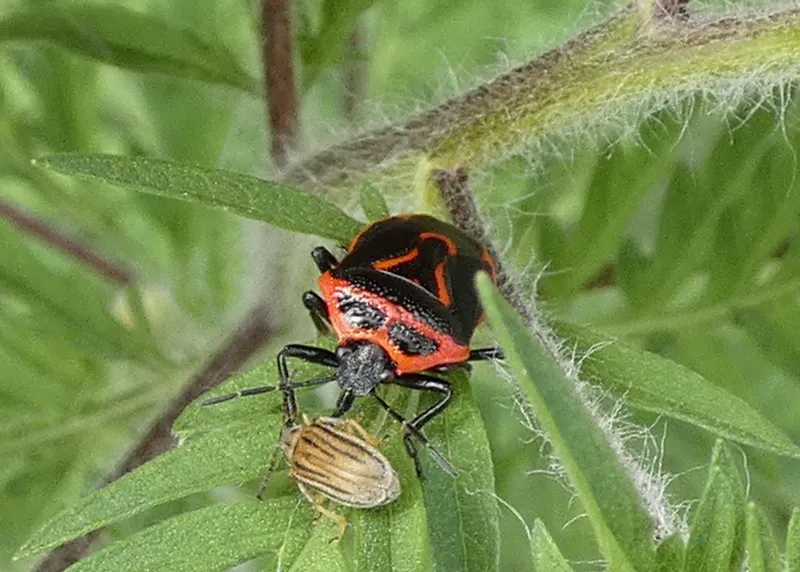
Perillus bioculatus Observation
Availability
Perillus bioculatus Observation
Duration
Permanent from 2023-09
Subpages
- Perillus bioculatus observations
- Perillus bioculatus map representation
- Perillus bioculatus annual occurrence broken down by months
Description
Since Anna Kőszegi's first domestic observation recorded on izeltlabuak.hu, an invasive bug spreading in Europe, Perillus bioculatus, has appeared from several locations in Hungary. The larva in the early stage sucks the sap of potatoes. Later, the larva and then the adult is a predator of Colorado potato beetle eggs and larvae. Previously, attempts to introduce it in Hungary were unsuccessful.
Our call for data recording on our Facebook page.
Watch for it and if you encounter it, record it on izeltlabuak.hu so we can track its spread.
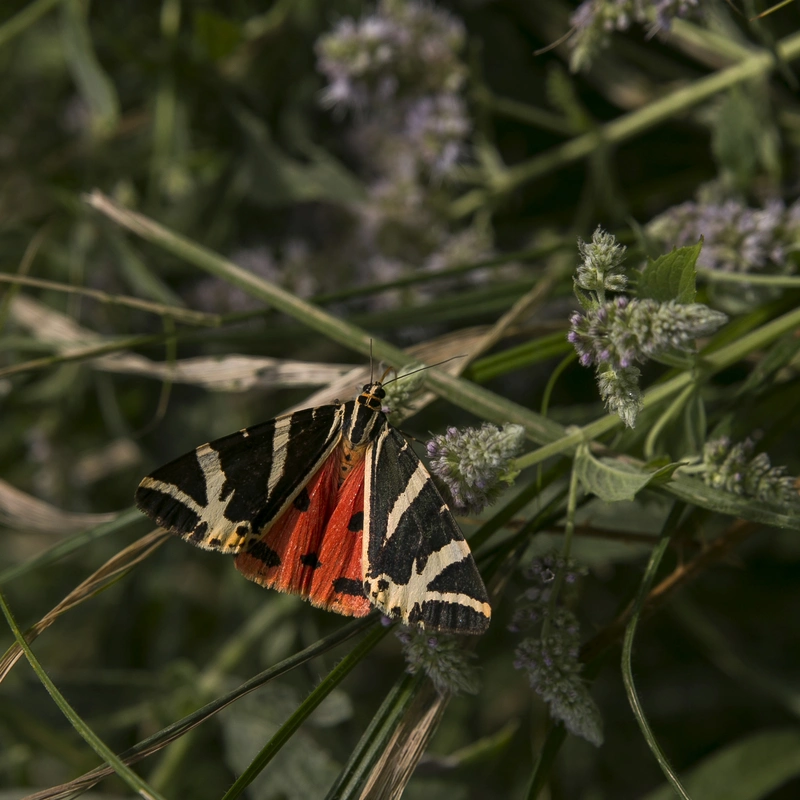
2025 MME Butterfly Survey - Small Apollo, Jersey Tiger, Purple Emperor
Availability
2025 MME Butterfly Survey - Small Apollo, Jersey Tiger, Purple Emperor
Duration
2025 April - August
Subpages
Description
The Butterfly Conservation Section of the Hungarian Ornithological and Nature Conservation Society announces a National Butterfly Survey for 3 butterfly species in 2025. You can read the call text here: The Butterfly Conservation Section of the Hungarian Ornithological Society initiates a national butterfly survey for the Small Apollo (Parnassius mnemosyne), Jersey Tiger (Euplagia quadripunctaria), and Purple Emperor (Apatura iris) species. Anyone can participate in the survey with the condition that observations must be uploaded with photos to the izeltlabuak.hu site. After the butterflies finish flying, we will compile the data and the person who submits the most will receive a valuable book prize. We ask that as many people as possible participate in the survey so we can extract as much data as possible about the species. Survey coordinator: Gábor Glemba Tel: 30-9247-436 Email: glembagabor@gmail.com
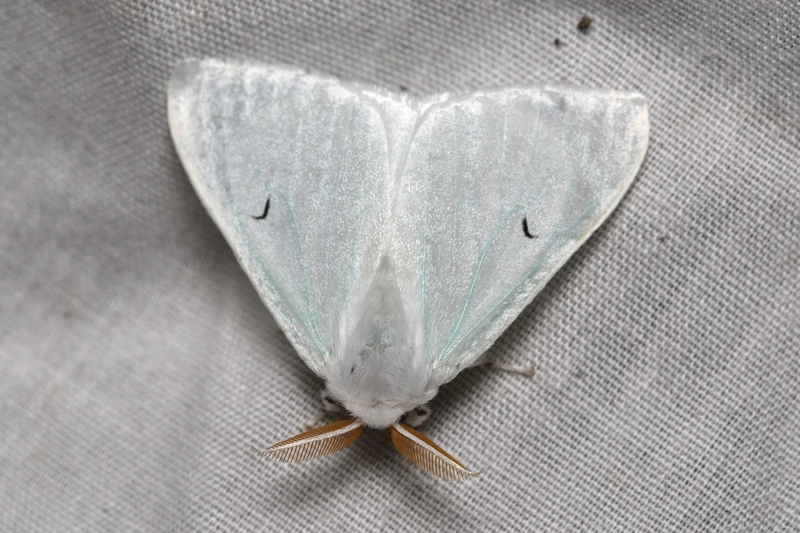
National Moth Week
Availability
Duration
-
2025: 2025.07.19. - 07.27.
-
2024: 2024.07.20. - 07.28.
-
2023: 2023.07.22. - 07.30.
-
2022: 2022.07.23. - 07.31.
Subpages
Description
National Moth Week event presentation.
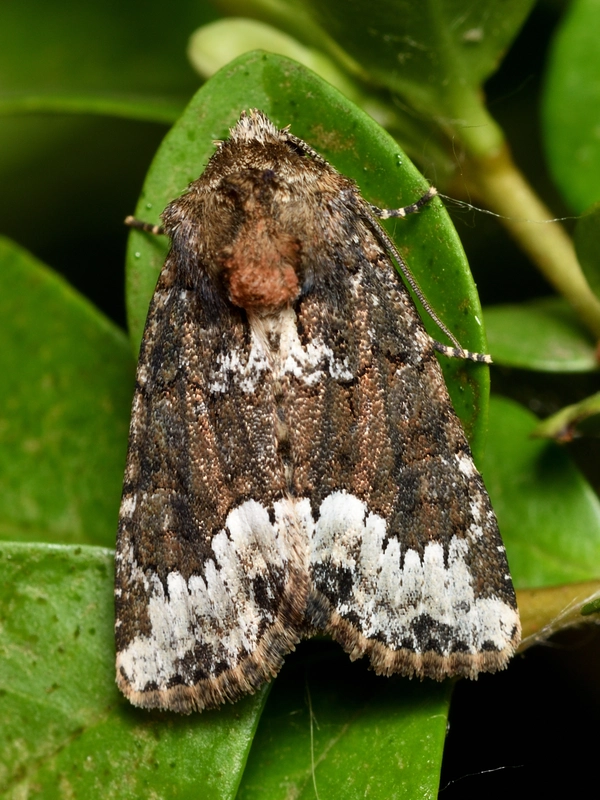
European Moth Nights
Availability
Duration
-
2025: 2025.05.29. - 06.02.
-
2024: 2024.07.04. - 07.08.
-
2023: 2023.06.15. - 06.19.
Subpages
Description
European Moth Nights event presentation.
Danube Mayfly Monitoring August
Availability
Duration
- August
Subpages
Description
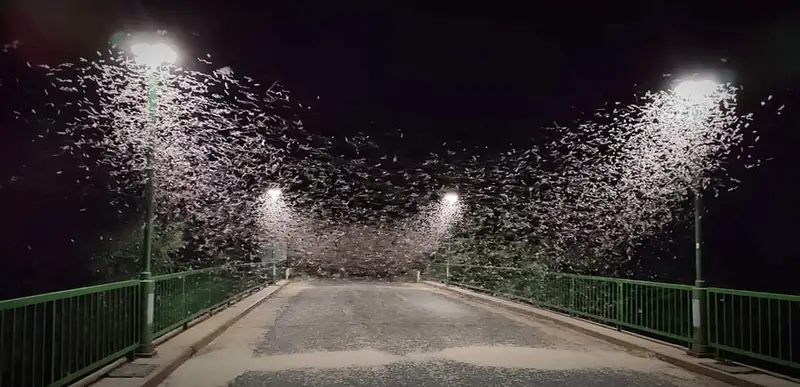
The Danube mayfly (Ephoron virgo) is a protected mayfly species characteristic of the middle section of the Danube River and some of its tributaries in Hungary. Due to the increasing pollution of the Danube waters, the species disappeared from the entire Hungarian Danube section by the end of the 1960s. It was considered a minor miracle when at the end of August 2012, this species was observed again in swarms of hundreds of thousands at several locations in the section above Budapest. Since then, the species can be observed every year, with particularly large swarms in some years. Although their return is a kind of ecological signal that modern wastewater treatment plants have proven successful and the Danube waters are cleaning up to a healthy level, nevertheless, various factors (primarily infrastructure developments related to human activities) threaten them. While our goal is to protect this species, we still don't know much about the species' ecology, behavior, genetic diversity of its populations, and we don't even know its distribution completely accurately. To better understand the species' exact distribution, we would need a lot of georeferenced data.
Therefore, researchers and conservationists are asking for the help of the izeltlabuak.hu nature photography entomology community in mapping the exact distribution of the Danube mayfly.
The Danube mayfly is smaller in size (about 3 cm) compared to its Tisza relative, has a shorter tail spine and is white in color. It flies in the evening-night hours, i.e., in the dark. Swarms usually occur from mid-August to early-mid September. It is expected to appear along the entire Hungarian Danube section (but mainly upstream from Budapest) and its tributaries (primarily the Rába, Ipoly, Garam, Nyitra and Vág rivers).
Please, if you are on the Danube or its tributaries in the evening or at night and see white mayflies flying, record your observations with photos, location, and date on izeltlabuak.hu. Photos taken of the swarms are also very spectacular, but if possible, there should also be close-up photos of the animals so that observations can be validated beyond any doubt.
Hungarian organizations actively involved in the research and protection of the Danube mayfly: ELTE TTK Biological Institute and ELKH ÖK (research group of Kriska György and Egri Ádám), Duna-Ipoly National Park, Budapest Capital Government, Pest County Government, and WWF Hungary Foundation.
WWF Hungary is involved in habitat restoration projects at two Danube-side locations. One location is in the Danube Bend area around Sződliget (1675 river km), the other is in the Érd-Nagytétény section. All biotic data from these areas (not only Danube mayfly, but any other insect species data important from a conservation perspective) contributes to supporting habitat restoration work and conservation interventions there, and with your observations you would greatly support the work of WWF Hungary and its project partners. You can find more information about the Danube 4 ALL and RestoRiver projects here.
Thank you for all useful data!
Apalus bimaculatus Monitoring
Availability
Duration
- February - March
Subpages
Description
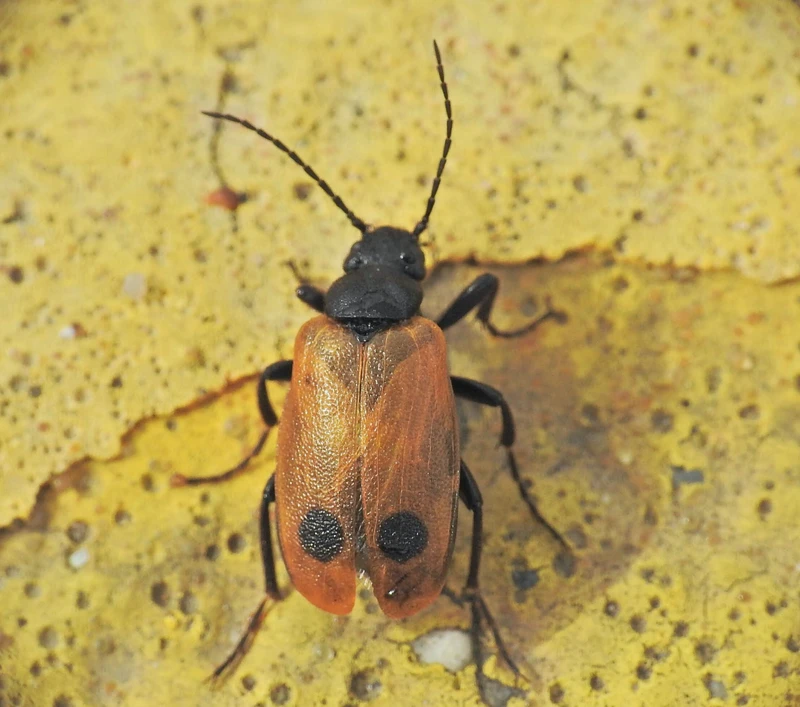
The two-spotted oil beetle (Apalus bimaculatus) is one of the first beetles to appear in the year. Their larvae feed on the accumulated nectar and pollen stores in the underground nests of silk bees, as well as the bee larvae. The animal, which was previously considered rare, has been frequently observed in the urban areas of our cities in recent years. We don't know exactly whether it is really spreading or whether we are paying more attention to them lately. Let's start the year with beetle hunting! Record your observations on izeltlabuak.hu, let's find out together where in Hungary it lives!
You can learn more about the species from Merkl Ottó's article.
Evening Insect Observation at Békásmegyer Gőtés Lake - 2024
Availability
Duration
- 2024.07.27.
Description
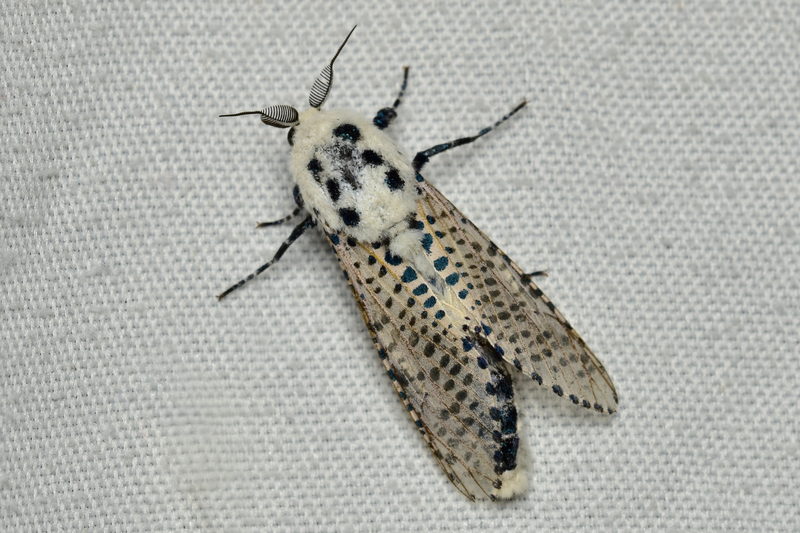
Join us for a joint insect hunting on July 27th in Budapest at Békásmegyer Gőtés Lake! From dusk, we'll wait together excitedly for the moths and other insects arriving at the light! The exact coordinates for the location: 47.5955654, 19.0388546. There is no gathering point, you can come anytime. We warmly welcome all interested people, young and old! You can find additional information on the Facebook event page. The event is part of the National Moth Week 2024 event series, which encourages interested people worldwide for joint night moth observation.
Night Insect Hunting in Újszeged Erzsébet Forest - 2024
Availability
Duration
- 2024.07.21.
Description
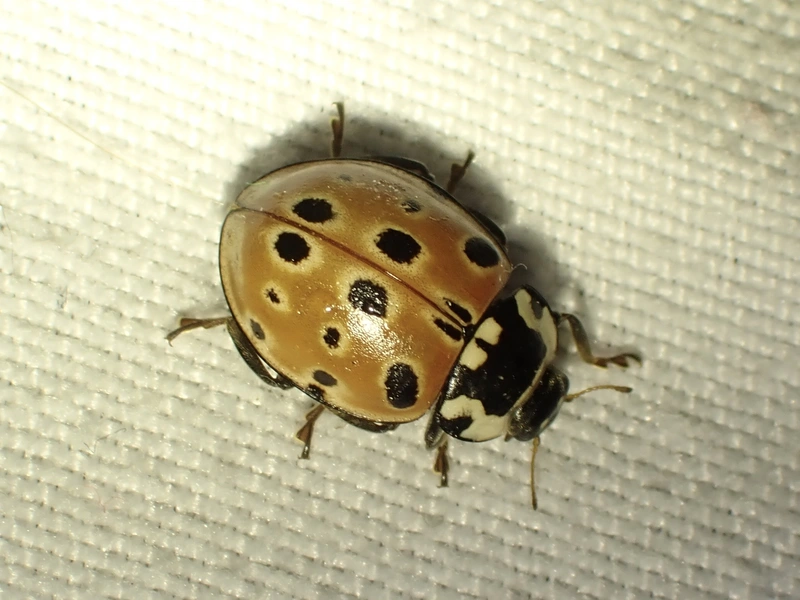
Join us for a joint insect hunting on July 21st in Újszeged Erzsébet Forest! From dusk, look for us in the southern part of the Forest, we'll wait together excitedly for the moths and other insects arriving at the light! The exact coordinates for the location: 46.247526, 20.163121, which is easier to approach from the promenade. There is no gathering point, you can come anytime. The event host is Lili Lajtár. We warmly welcome all interested people, young and old! You can find additional information on the Facebook event page. The event is part of the National Moth Week 2024 event series, which encourages interested people worldwide for joint night moth observation.
Anacridium aegyptium Monitoring - Permanent
Availability
Duration
- Permanent
Subpages
Description
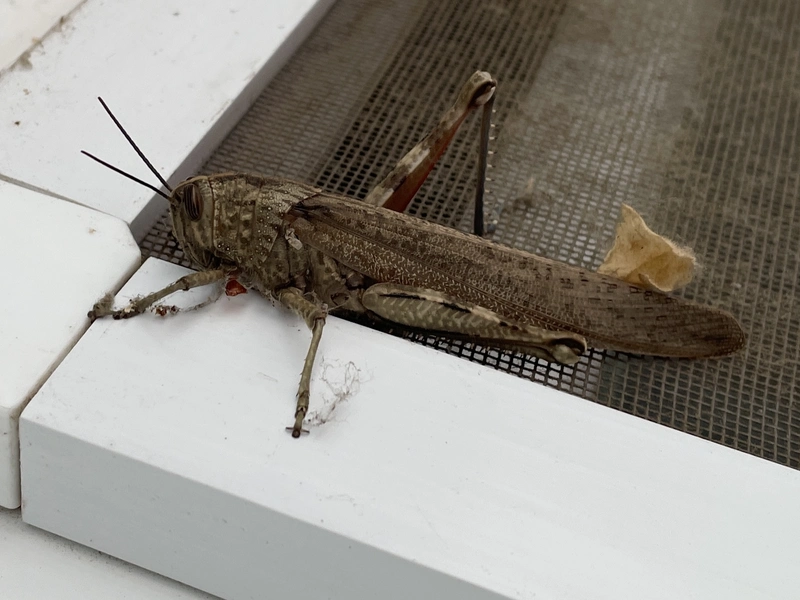
The Egyptian grasshopper (Anacridium aegyptium) can be encountered in more and more places in Hungary with its stray specimens. The appearance of these approximately 5-7 cm grasshoppers in settlements is quite conspicuous and is also an interesting phenomenon in the context of climate change. László Márk would like to ask all insect enthusiasts with open eyes, as part of a scientific data collection, to share any previous or fresh data about this species with photos and location on the izeltlabuak.hu site. We also thank you for the observations uploaded so far!
MME Butterfly of the Year Observation Competition 2023
Availability
Duration
- 2023.04.03 - 11.30
Subpages
Description
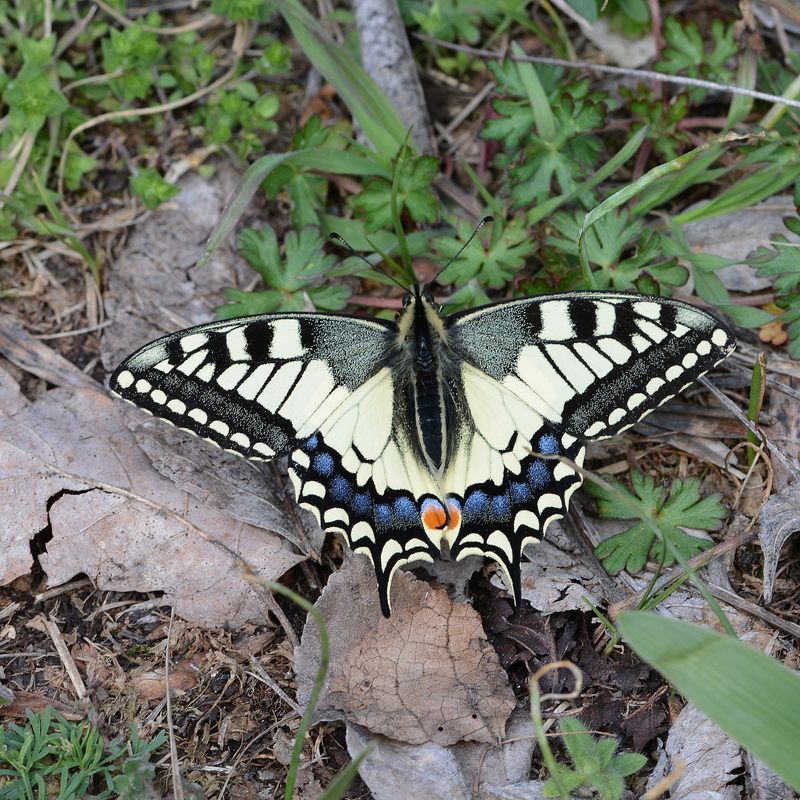
The Butterfly Conservation Section of the Hungarian Ornithological and Nature Conservation Society announced a data collection competition related to the 2023 Butterfly of the Year, the swallowtail butterfly. The goal of the game is to draw attention to this species and the conservation problems affecting butterflies in general and the reasons for their decline. Furthermore, the game has a scientific aspect, as the more observations and information we have about a given species, the easier it is to take steps for its protection and it also helps in monitoring population size. The competition could be participated in with observations of the swallowtail butterfly, which players could record on the izeltlabuak.hu platform. On this page you can find the swallowtail butterfly observations recorded in 2023. You can view separately the observations of users registered in the competition and all swallowtail butterfly observations of the year.