Philodromus
58. oldal: (685 -696 / 751)
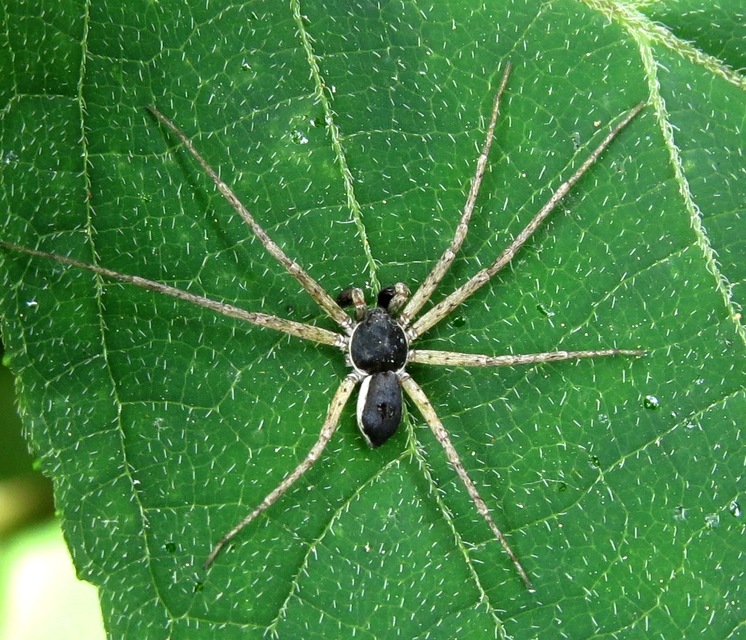
- Észlelte:Nagy Sándor
- Észlelés ideje:2015-05-20
- Leírás:1/1 Fürgekarolópók (Philodromus sp.) hím cserjés hortenzia (Hydrangea arborescens) levelén
- Határozta:
- Határozva:
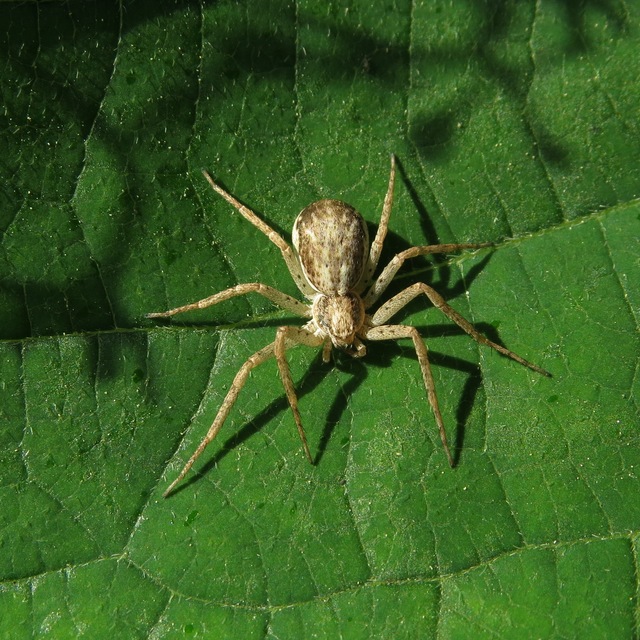
1 / 2
- Észlelte:Nagy Sándor
- Észlelés ideje:2015-05-20
- Leírás:1/2 Fürgekarolópók (Philodromus sp.) nőstény cserjés hortenzia (Hydrangea arborescens) levelén
- Határozta:
- Határozva:
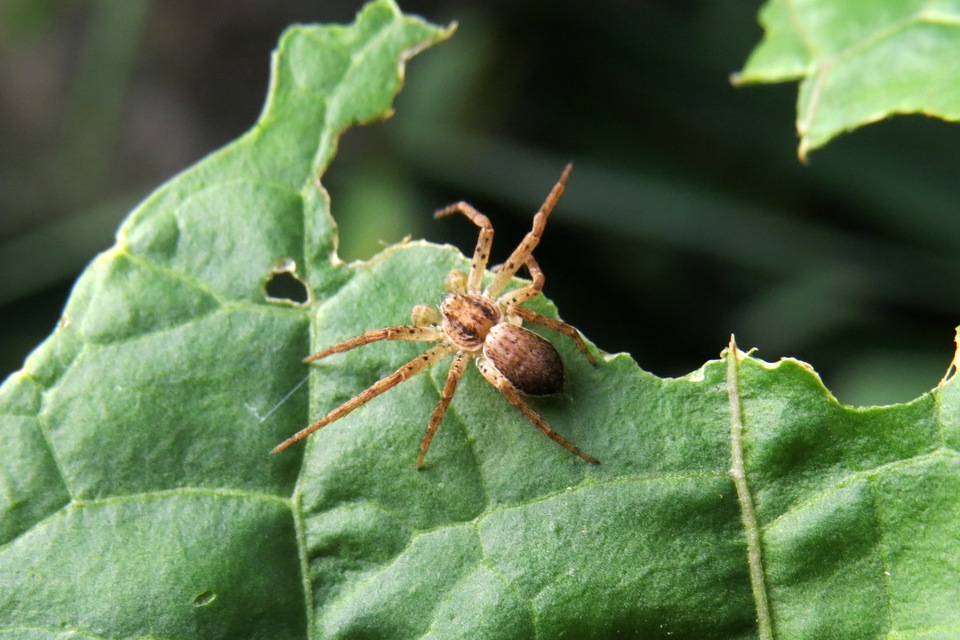
- Észlelte:Nagy Sándor
- Észlelés ideje:2016-10-16
- Leírás:1/2 Fürgekarolópók ( Philodromus dispar) subadult hím
- Határozta:
- Határozva:
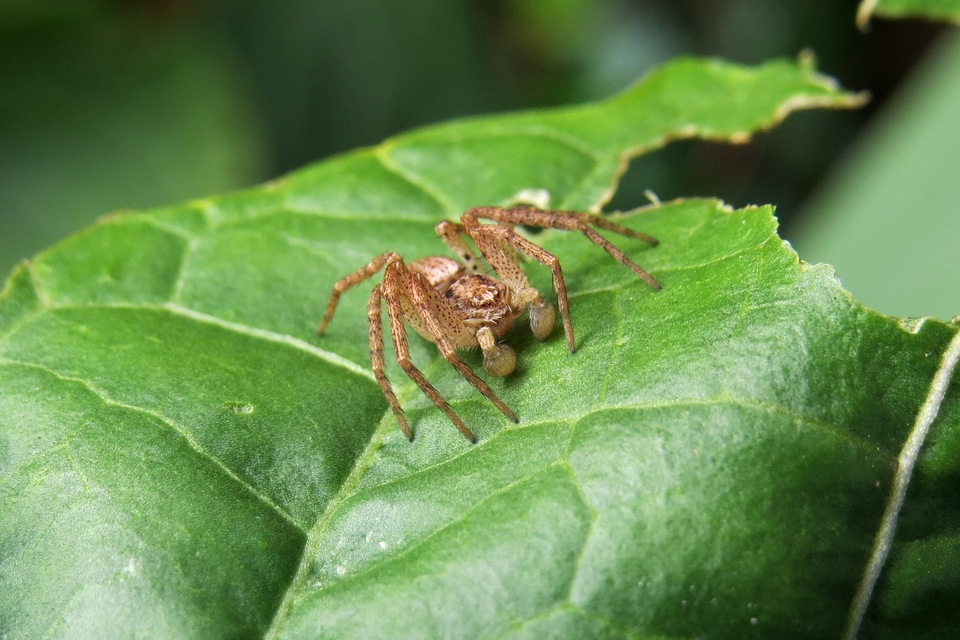
- Észlelte:Nagy Sándor
- Észlelés ideje:2016-10-16
- Leírás:1/2 Fürgekarolópók ( Philodromus dispar) subadult hím (Egy helyen lomb-fürgekarolópóknak hívták magyarul a fajt a Neten.) A jukkán vagy a tormalevélen majdnem mindig találok ilyen pókot. A bunkós csápja alapján gondolom hímnek, ugyanakkor a színe egy nőstényé. A hímeknek kávébarna a színük eltekintve egy világos szegélytől. Furcsa. Mezőfi László oldotta meg a rejtélyt, a ki a fajt is meghatározta nekem: A pókocska még csak kamasz, tehát subadult. A végső színe csak felnőtt korára alakul ki. (Törökbálint, 2016.10.16.)
- Határozta:
- Határozva:
- Észlelte:Nagy Sándor
- Észlelés ideje:2014-05-23
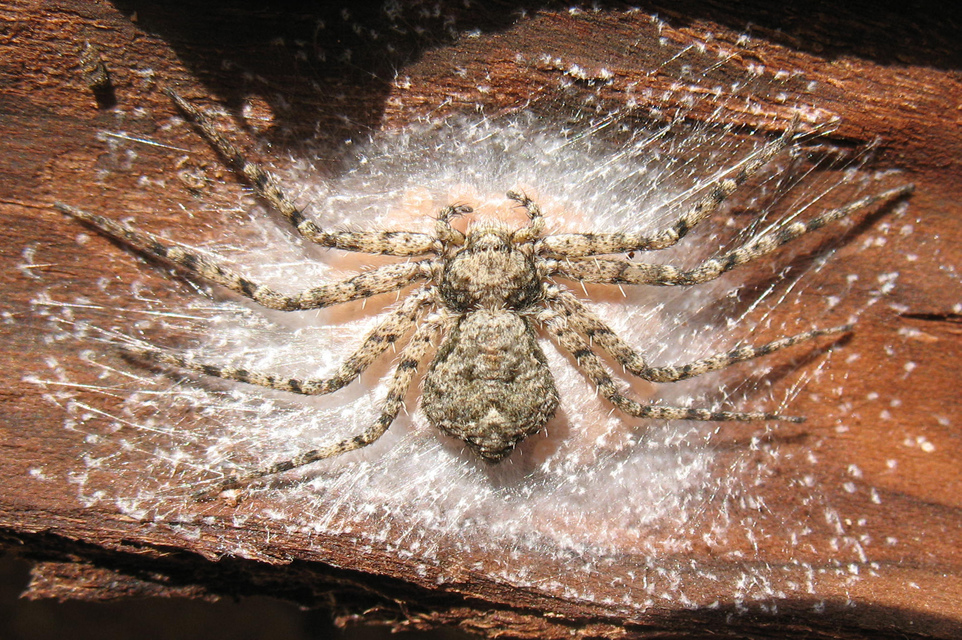
- Leírás:Bükkfa-fürgekarolópók (Philodromus margaritatus) Spider over its eggs We discovered this spider on the inside of a piece of loose bark that we removed from a dying willow. As it remained motionless while we were moving it around to take several pictures of it, I assumed that it was protecting its eggs. whose pale orange color can be seen through the silk. Note the white specks on the bark: they are the spots where the silk threads are anchored to the bark. You can compare this picture with that of the Running Crab Spider - Philodromus praelustris at bugguide.net/node/view/46255. They look pretty similar to me. I am pretty sure that this is a Philodromus species too. We discovered this spider on the inside of a piece of loose bark that we removed from a dying willow. As it remained motionless while we were moving it around to take several pictures of it, I assumed that it was protecting its eggs. However I am not sure now. I am not sure what spider it is. Its length is about 8 mm. Its total width including its long legs is about 20-25 mm. It can be a Running Crab Spider - Philodromus praelustris. The one at this link is very similar: bugguide.net/node/view/46255 But that picture was taken in Massachusetts, USA, whereas mine In Hungary near Budapest. Th size (6.5 mm) is about OK: Hozzászólások (Flickrről): NagySandor.EU 2015-10-12 We discovered this spider on the inside of a piece of loose bark that we removed from a dying willow. As it remained motionless while we were moving it around to take several pictures of it, I assumed that it was protecting its eggs. However I am not sure now. I am not sure what spider it is. Its length is about 8 mm. Its total width including its long legs is about 20-25 mm. It can be a Running Crab Spider - Philodromus praelustris. The one at this link is very similar: bugguide.net/node/view/46255 But that picture was taken in Massachusetts, USA, whereas mine In Hungary near Budapest. Th size (6.5 mm) is about OK: NagySandor.EU 2015-10-15
- Határozta:
- Határozva:
- Észlelte:Cseh Sándor
- Észlelés ideje:2018-11-09
- Leírás:-
- Határozta:
- Jóváhagyta:
- Határozva:
1 / 2
- Észlelte:Földesi Krisztina
- Észlelés ideje:2018-11-14
- Leírás:-
- Határozta:
- Határozva:
- Észlelte:qzsolo
- Észlelés ideje:2018-07-05
- Leírás:-
- Határozta:
- Határozva:
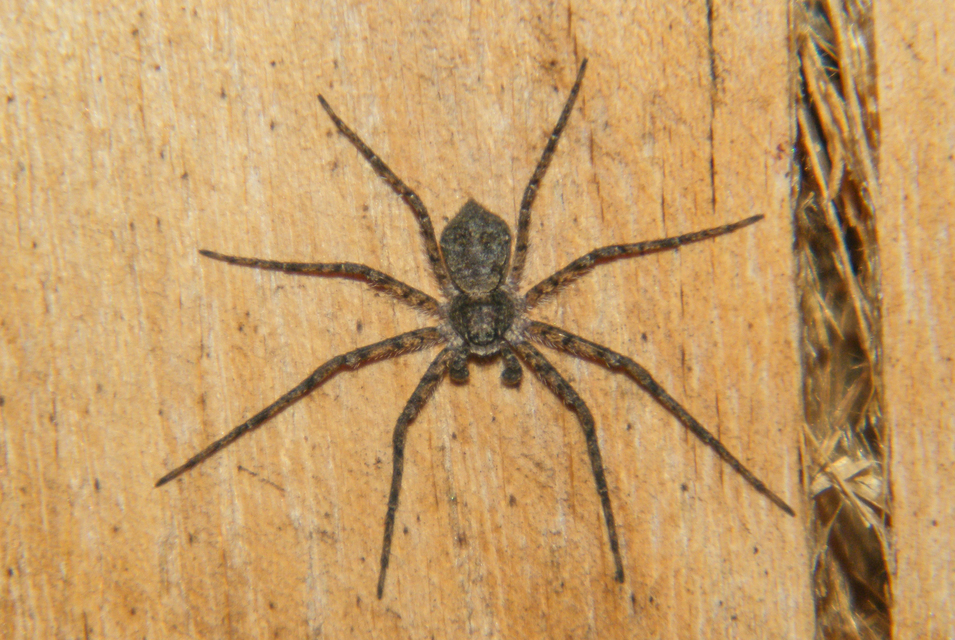
- Észlelte:Kiss Tamás
- Észlelés ideje:2011-10-28
- Leírás:-
- Határozta:
- Határozva:
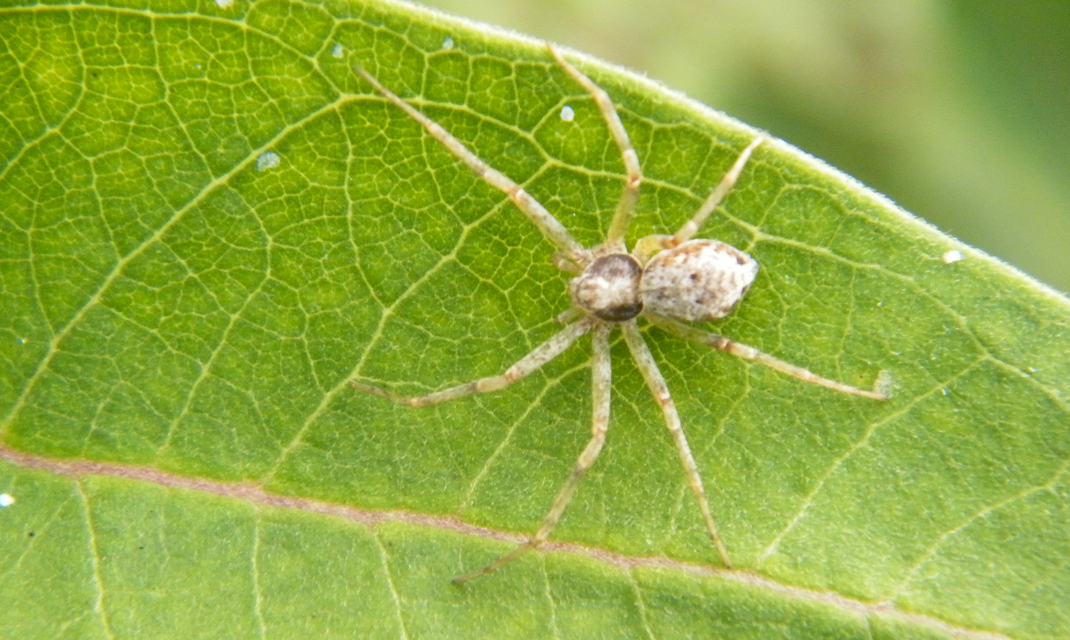
- Észlelte:Kiss Tamás
- Észlelés ideje:2010-07-31
- Leírás:-
- Határozta:
- Határozva:
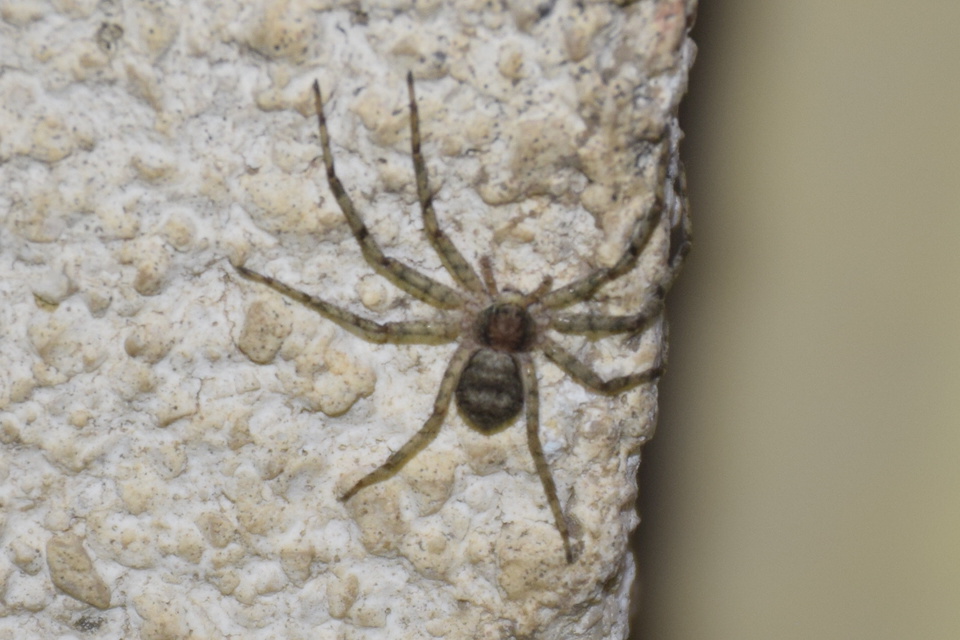
- Észlelte:Tóth Norbert
- Észlelés ideje:2018-10-09
- Leírás:-
- Határozta:
- Jóváhagyta:
- Határozva:
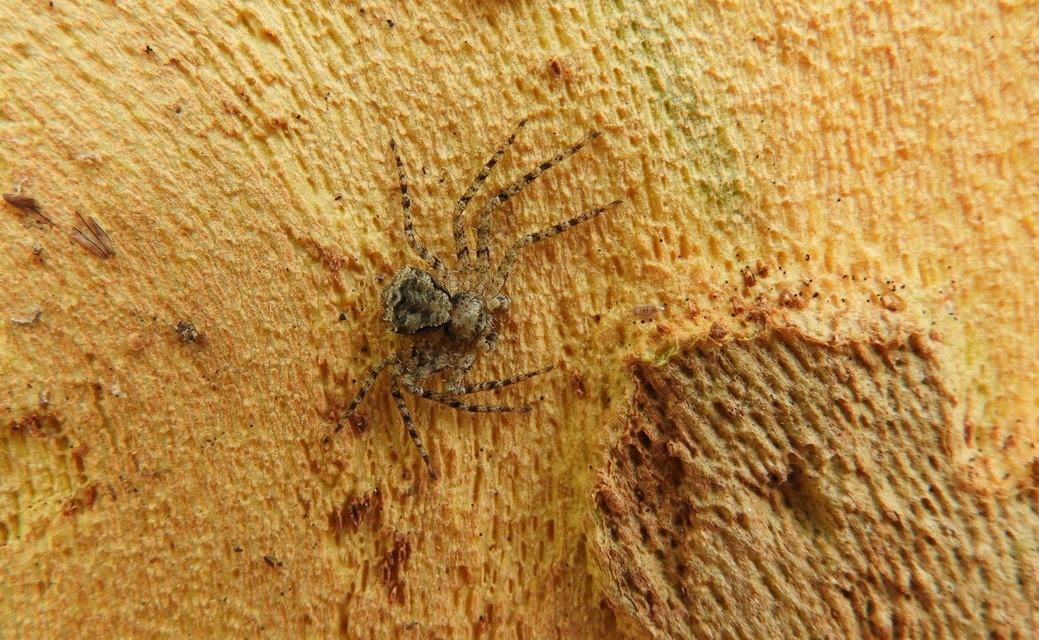
- Észlelte:Sívóné Pap Zsuzsanna
- Észlelés ideje:2018-09-29
- Leírás:Bükkfa fürgekarolópók- philodromus margaritatus
- Határozta:
- Határozva:
58. oldal: (685 -696 / 751)